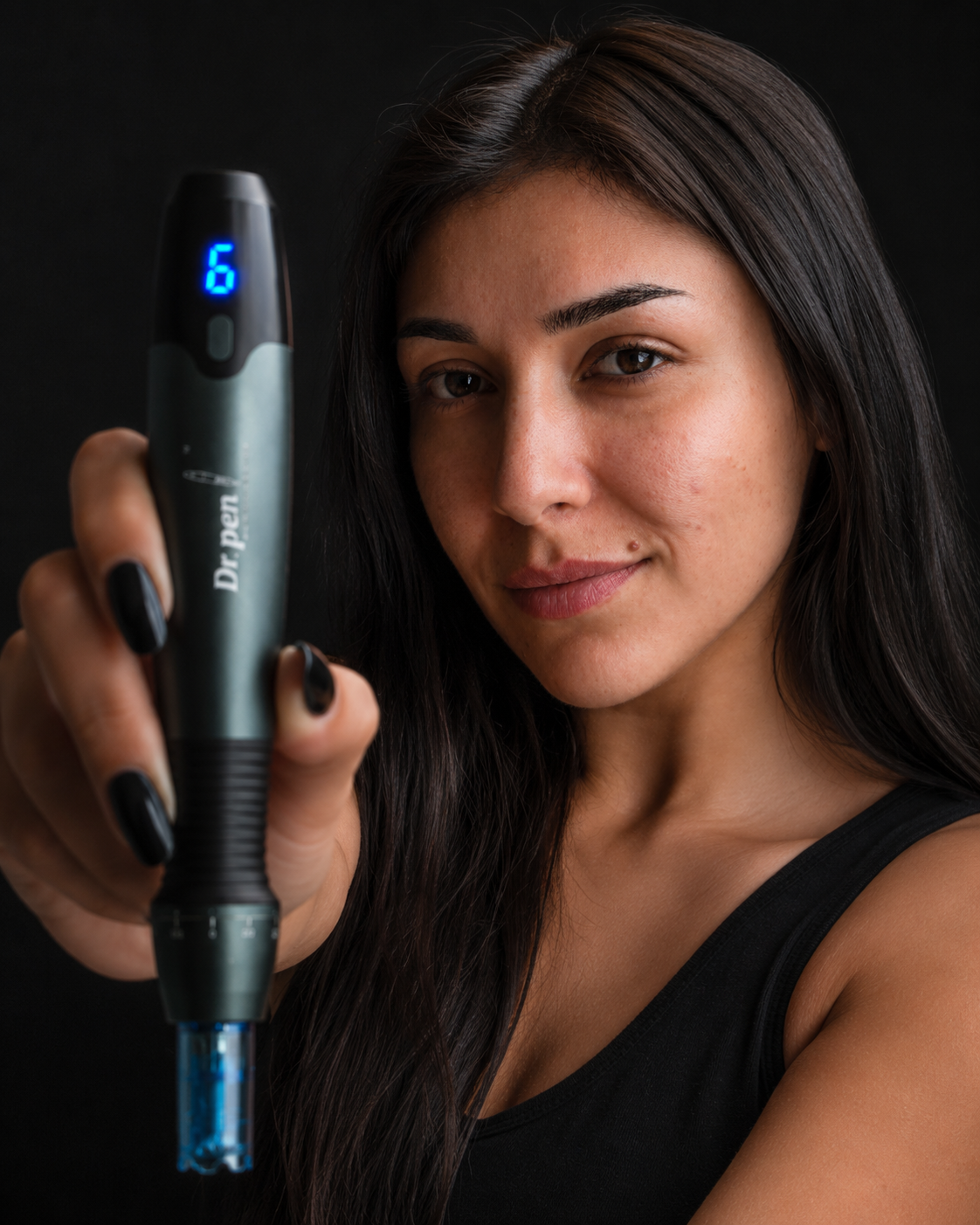
Microneedling reviews can help you understand how a device feels in real use, what results buyers expected and whether a pen or cartridge setup matches your needs. They can also mislead you if you read them like a simple star rating. Before buying a Dr. Pen device, look for the details behind the rating: the reviewer’s skin concern, experience level, cartridge choice, aftercare routine, treatment frequency and whether the product came from a trustworthy seller.
Why microneedling reviews are hard to compare
A five-star review from an experienced esthetician and a five-star review from a first-time home user may describe two very different experiences. One person may judge a pen by motor consistency and cartridge fit, while another may focus on whether redness faded quickly after treatment. Both reviews can be honest, but they are not equally useful for your buying decision.
The most useful microneedling reviews include context. They explain what the buyer was trying to improve, such as texture, fine lines, acne scarring, enlarged pores or product absorption. They also mention the model used, the cartridge type, how many sessions they completed and how long they waited before judging results.
Star ratings are a starting point, not the answer. A product with mostly positive feedback may still be the wrong fit if reviewers have different skin goals, different pain tolerance or different expectations about recovery.
Start with the reviewer’s skin goal
Microneedling is not a one-result treatment. The American Academy of Dermatology notes that microneedling is commonly used for concerns such as acne scars, wrinkles, enlarged pores and stretch marks, but outcomes depend on the concern, skin condition and treatment plan.
Good microneedling reviews name the skin goal clearly. A review about rough texture may not tell you much if you are buying for early fine lines. A review about hairline use may not translate to facial skincare. A review about professional clinic use may not reflect a beginner’s at-home experience.
When reading, ask whether the reviewer is solving the same problem you are solving. If they are not, the review may still reveal useful product details, such as grip comfort or cartridge packaging, but it should carry less weight in your final decision.
Separate device feedback from treatment technique
A microneedling pen is only one part of the result. Technique, skin preparation, cartridge choice, pressure, hygiene and aftercare all affect the experience. A negative review may blame the device when the real issue was over-treating, using the wrong cartridge or applying irritating skincare too soon afterward.
Useful microneedling reviews separate device performance from the reviewer’s routine. Look for comments about whether the device operated smoothly, held charge as expected, accepted the correct cartridges and felt stable in hand. Then read separately for skincare outcomes, since those are influenced by many variables beyond the pen itself.
If a reviewer describes irritation, extended redness or breakouts, check whether they mentioned prep and recovery. Buyers who skip gentle cleansing, use harsh actives too close to treatment or treat compromised skin may have a poor experience even with a genuine device. If you are planning your first session, review a clear pre-treatment checklist for microneedling before copying any routine from a review.
Check whether the product was genuine
For Dr. Pen shoppers, microneedling reviews are easier to trust when the reviewer bought from a reliable source and can verify what they received. Counterfeit devices and low-quality replacement cartridges can create problems that have nothing to do with the real product line.
The FDA’s safety information on microneedling devices emphasizes that microneedling devices can carry risks when used improperly, including infection, skin damage and irritation. That makes product authenticity, sterile single-use cartridges and proper instructions more than shopping preferences. They are part of safe use.
Before trusting a review, look for signs that the buyer received an authentic pen and compatible cartridges. The review should ideally mention sealed packaging, model name, cartridge fit and seller reliability. Vague praise from an unknown marketplace listing is less useful than specific feedback from someone who bought a clearly identified model.

Read before-and-after photos carefully
Photos are persuasive because they feel more objective than text, but they can be distorted by lighting, angles, facial expression, makeup, filters and time between sessions. A dramatic before-and-after image is not automatically fake, but it needs context before you use it as buying evidence.
The most credible microneedling reviews explain when the photos were taken and what changed in the reviewer’s routine. For example, better hydration, sunscreen use or stopping irritating products can improve the look of skin alongside microneedling. If a review claims major improvement after one session without explaining the timeline, read it cautiously.
Look for consistent lighting, similar distance from the camera and close attention to the specific concern being treated. Fine lines and texture often improve gradually, so realistic photos may show subtle changes rather than a completely transformed face. If wrinkles are your main concern, it helps to understand what microneedling before-and-after photos can realistically show before comparing devices.
Know the red flags in review sections
Some reviews are not worth relying on, even when they sound confident. A review can be too vague, too emotional or too disconnected from product facts to help you choose a microneedling pen.
Treat microneedling reviews as one input, especially when you see these warning signs:
- The reviewer never names the device model or cartridge type.
- The review promises instant, permanent or medical-level results from one session.
- The reviewer describes using the product on active acne, irritated skin or open wounds.
- The feedback focuses only on price and never mentions authenticity, packaging or use.
- The before-and-after photo has different lighting, heavy makeup or unclear timing.
- The reviewer copied the same wording across multiple products or sellers.
Negative reviews can still be valuable. A detailed complaint about poor cartridge fit, confusing instructions or seller support may help you avoid a bad buying experience. The key is whether the review provides enough specifics to verify the issue.
Turn reviews into buying criteria
Reviews become more useful when you translate them into practical buying questions. Instead of asking which pen has the highest rating, ask which model best matches your skin goals, comfort level and cartridge needs.
When microneedling reviews point to a specific Dr. Pen model, compare that feedback against the product details before you buy. If you are comparing A20, M8S, A11, A8S, A10, M9 or Hydra Pen models, your best choice depends on more than popularity. Consider handling, intended use, cartridge availability, support and whether you want a device suited to your experience level.
| What the review mentions | What it may tell you | What to verify before buying |
|---|---|---|
| Smooth operation or stable motor feel | The reviewer noticed device performance, not just skin results | Exact model, seller authenticity and included accessories |
| Cartridge fit or cartridge availability | Replacement planning may affect long-term use | Compatible cartridge type for that specific model |
| Recovery time and redness | The reviewer is describing their skin response | Prep, aftercare, session spacing and skin sensitivity |
| Fine lines, texture or acne scars | Their goal may match yours | Number of sessions and photo timeline |
| Packaging, serial checks or seller support | Authenticity may have been considered | Whether the retailer sells genuine Dr. Pen products |
If you are still comparing models, use reviews alongside a structured guide to choosing the right Dr. Pen microneedling pen. That helps you connect real buyer feedback to practical differences instead of relying on whichever review sounds most enthusiastic.
Balance positive and negative feedback
A perfect review profile can be less helpful than a mixed one. When every review says the same thing, you learn very little. When positive and negative reviews include details, you can identify patterns.
For example, repeated praise for easy handling may matter if you plan to use the device yourself. Repeated mentions of confusing cartridge compatibility may signal that you need to double-check replacements before checkout. One isolated complaint may be a user error, but several similar complaints deserve attention.
Also consider review age. Feedback from 2023 may still be useful for general comfort or skin response, but current reviews are better for packaging, shipping experience, cartridge availability and seller service. In 2026, shoppers should pay close attention to authenticity claims, current model pages and up-to-date cartridge compatibility rather than relying only on older forum threads.
Do not let reviews replace safety judgment
Even the most detailed review cannot tell you whether microneedling is appropriate for your skin right now. If you have active acne, eczema, psoriasis, a tendency toward keloid scarring, a skin infection or a recent cosmetic procedure, get personalized guidance from a qualified professional before treating.
Reviews also should not be used as dosing instructions. Do not copy another person’s needle depth, pressure, frequency or post-care routine without checking the device instructions and considering your own skin. More intense treatment is not automatically better, and overuse can delay recovery or worsen irritation.
Use reviews to understand the ownership experience: how the device feels, how clearly it is packaged, how people plan replacements and what kinds of results they report over time. Use professional advice and official instructions for safety decisions.
Frequently Asked Questions
How many reviews should I read before buying a microneedling pen? Read enough to see patterns, not just opinions. A handful of detailed, verified reviews can be more useful than dozens of vague ratings. Look for repeated comments about model performance, cartridge fit, authenticity, comfort and seller support.
Are negative microneedling reviews a reason not to buy? Not always. A negative review is useful when it explains the problem clearly. If the issue was shipping damage, wrong cartridge selection or unrealistic expectations, it may not reflect the device itself. If many reviews report the same product defect, take that seriously.
Can reviews tell me which Dr. Pen model is best? Reviews can narrow your shortlist, but they should not be the only factor. Match the model to your experience level, treatment goals, cartridge needs and preference for features. Then confirm the details on the product page before ordering.
Should I trust before-and-after photos in reviews? Trust them only when they include timing, consistent lighting and a clear view of the treated concern. Photos without context can exaggerate improvement or hide irritation, so read the written details alongside the images.
Buy with a reviewer’s mindset
The smartest buyers do not simply look for the highest rating. They read for evidence: real skin goals, clear model names, authentic packaging, compatible cartridges, realistic timelines and responsible aftercare. That approach helps you separate helpful buying signals from hype.
If you are ready to compare genuine devices, cartridges and skincare options, start with the official Dr. Pen Store and use your review checklist while you shop. The right purchase is not just the pen with the most praise. It is the device that fits your goal, your experience level and your plan for safe, consistent use.