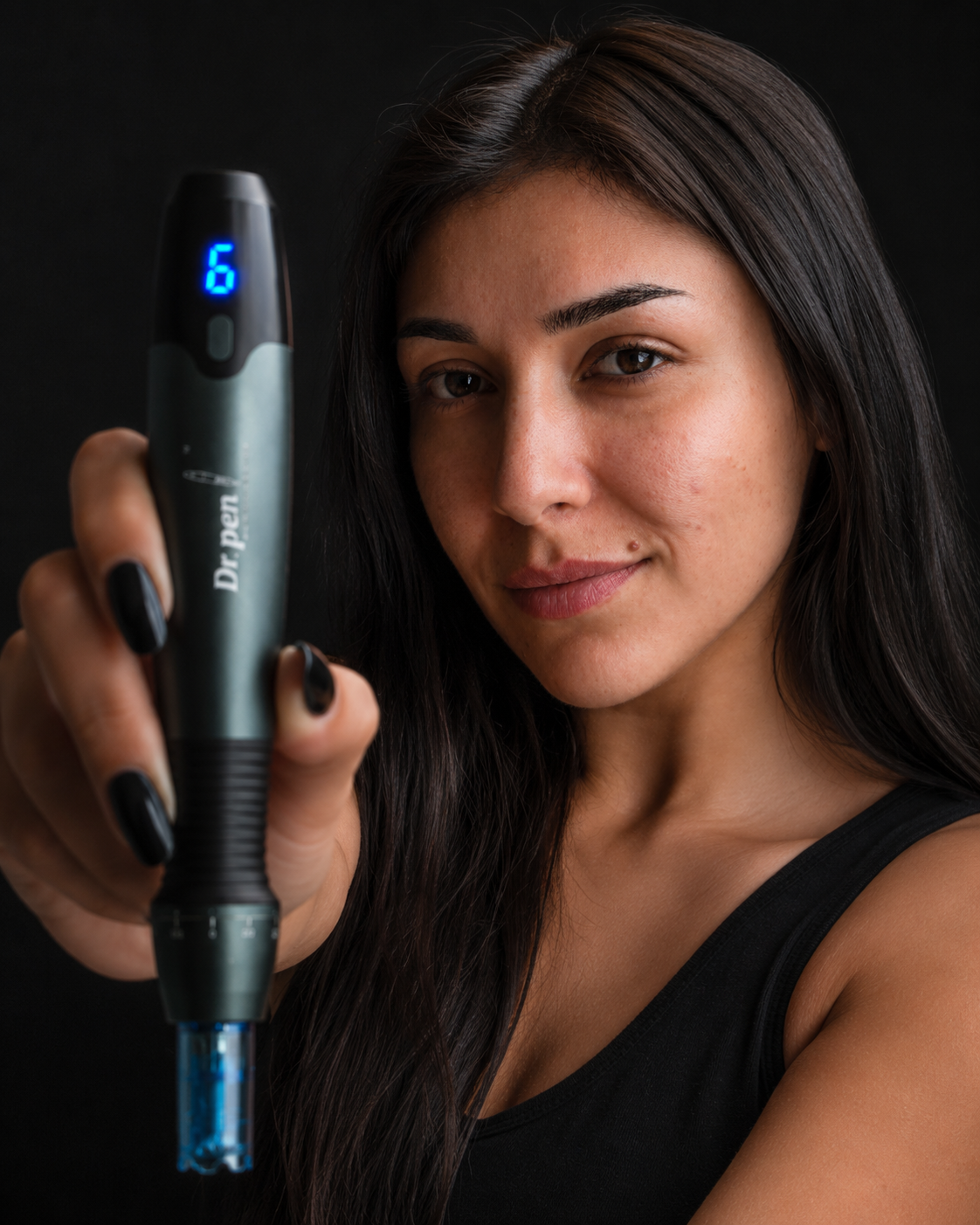
Choosing between microneedling pen brands is less about chasing the newest model and more about finding a device ecosystem you can trust. A good brand should make it easy to verify the device, buy compatible sterile cartridges, understand safe use and get support after purchase. If you are comparing pens for at-home skin renewal or professional use, those details matter as much as the device itself.
Microneedling is a technique that creates controlled microchannels in the skin, so brand quality has a direct impact on consistency, comfort and risk management. This guide is not a treatment protocol, but it will help you evaluate brands with a buyer’s eye before you choose a pen.
How microneedling pen brands should be evaluated
A microneedling pen is not a standalone gadget. It depends on replacement cartridges, instructions, power reliability, depth control, aftercare guidance and seller support. That is why the best comparison starts with the brand behind the device, not only the product page photo.
Strong brands usually answer five questions clearly: Is the device genuine? Which cartridges fit it? Who is the device designed for? What safety information is provided? What happens if you need help later? If a seller cannot answer those basics, keep comparing.
For Dr. Pen shoppers, the comparison is slightly different because there are multiple models for different experience levels and goals. If you already know you want a Dr. Pen but are deciding between models, this separate guide on how to choose the right Dr. Pen microneedling pen can help you narrow the options.
Start with authenticity, safety claims and transparency
The strongest microneedling pen brands make authenticity easy to check before and after purchase. That means clear product naming, traceable packaging, compatible cartridge information and a seller that does not blur the line between original devices and lookalike copies.
Verify genuine devices and cartridges
Counterfeit or unverified devices can create problems that are hard for a buyer to see upfront. The motor may feel inconsistent, cartridge fit may be poor or replacement tips may not match the model correctly. With microneedling, those are not minor inconveniences because the cartridge touches the skin.
Look for brands and retailers that explain how authenticity is verified. DrPenStore.com focuses on genuine Dr. Pen devices and cartridges, with manufacturer-verifiable authenticity as part of its positioning. That matters if you want to avoid marketplace listings where the seller, warranty path or cartridge source is unclear.
Sterile, single-use cartridges are equally important. A trustworthy brand should make replacement cartridges easy to identify by model compatibility rather than expecting buyers to guess from photos.
Read regulatory and safety language carefully
When comparing brands, pay close attention to how safety claims are worded. FDA clearance, where applicable, is specific to a device and its cleared indications. It should not be treated as a blanket claim for every pen in a brand family.
The FDA’s consumer guidance on microneedling devices explains that these devices can carry risks, including infection, skin damage and other adverse effects if used improperly. A reliable brand does not hide that reality. It gives practical safety information, recommends proper cartridge use and avoids exaggerated promises.
| What to check | Good sign | Warning sign |
|---|---|---|
| Authenticity | Clear model names and verifiable sourcing | Vague listings or copied product images |
| Cartridge fit | Model-specific cartridge guidance | “Universal” claims without details |
| Safety information | Clear instructions and realistic cautions | Guaranteed results or no risk language |
| Support | Reachable seller and after-sales help | No clear contact path |
| Claims | Specific, careful wording | Broad medical or permanent-result claims |
Compare device design, controls and cartridge ecosystem
When comparing microneedling pen brands, the device should feel like part of a complete system. Motor performance, speed control, needle depth settings and cartridge availability all influence the user experience, but those features only help if the brand explains them clearly.
Controls should match the user’s skill level
Beginners usually benefit from simple controls, clear instructions and a device positioned for home use. More experienced users may prefer a pen designed around precision, consistency and advanced control. Neither approach is automatically better. The right choice depends on who is using the pen, where it will be used and how comfortable the user is with microneedling basics.
For example, the Dr. Pen M9 Microneedling Pen is positioned for professionals and advanced users who want smart precision, safer treatments and consistent performance. By contrast, the Dr. Pen Ultima A6S is presented as a Professional Plus microneedling pen designed to bring salon-quality results into an at-home setting. Those are different buyer profiles, so comparing the intended user is more useful than asking which model sounds more advanced.
Cartridges are not an afterthought
A pen is only useful if you can keep buying the right cartridges for it. Before choosing a brand, check whether cartridges are easy to find, clearly labeled and compatible with the exact model you are considering. This is especially important if you plan to switch between different tip types for skin texture, product absorption or gentler cosmetic routines.
If you are unsure whether you need traditional microneedling cartridges or nano tips, this guide to micro-needles vs nano-needles explains the difference in use cases.

Look beyond the device and evaluate the support system
For many buyers, microneedling pen brands start to look similar because product pages often focus on sleek device photos. The real difference appears after purchase, when you need to confirm cartridge compatibility, understand aftercare, replace parts or ask a practical question.
A strong support system includes plain-language instructions, realistic usage guidance and a seller that understands the device lineup. This is especially valuable for first-time users, since microneedling involves skin preparation, hygiene, cartridge disposal and post-treatment care.
Reviews can help, but they need context. A five-star review from a clinic user may not apply to a beginner treating mild texture at home, and a negative review may reflect wrong cartridge selection rather than device quality. Before relying on star ratings alone, use this guide on how to read microneedling reviews before buying to separate useful feedback from noise.
Maintenance and replacement access matter
You should be able to keep the device clean, store it properly and source replacement cartridges without searching across unknown marketplaces. Reusing cartridges is not recommended because cartridges are intended for single-use hygiene and needle performance. A brand or retailer that makes ongoing maintenance clear is doing more for safety than one that only promotes dramatic before-and-after photos.
Also consider availability. If a brand has impressive specs but replacement cartridges are hard to find, ownership becomes frustrating. A slightly less flashy pen with reliable cartridge supply and clear documentation is often the better long-term purchase.
Match the brand to your use case, not someone else’s routine
The best microneedling pen brands help shoppers choose based on goals, experience and treatment setting. A person focused on occasional at-home skin texture support has different needs from an advanced user who wants high consistency across repeated sessions.
Think about your primary use case before comparing models. Are you focused on fine lines, uneven texture, the appearance of acne scarring, scalp care or general product absorption with gentler tips? Are you comfortable reading instructions and following hygiene steps, or would you rather receive treatment from a licensed professional? Your answers should shape the brand and model you choose.
| Buyer profile | What to prioritize | Why it matters |
|---|---|---|
| First-time home user | Clear instructions, easy cartridge matching and accessible support | Reduces confusion and misuse |
| Experienced home user | Reliable performance and a broader cartridge ecosystem | Supports more tailored routines |
| Professional or advanced user | Precision, consistency and robust model positioning | Better fit for frequent or complex use |
| Sensitive-skin shopper | Conservative guidance and realistic expectations | Helps avoid overly aggressive routines |
| Value-focused buyer | Genuine device, cartridge availability and support, not only price | Low upfront cost can become expensive if parts are unreliable |
If you have active skin conditions, a history of keloid scarring, impaired wound healing or you use medications that affect skin recovery, speak with a qualified medical professional before microneedling. A responsible brand should never pressure every shopper into buying regardless of suitability.
Red flags when comparing brands
The safest microneedling pen brands do not rely on mystery listings, unrealistic claims or vague cartridge descriptions. If a product page promises permanent results, says it works for everyone or avoids basic hygiene guidance, treat that as a reason to pause.
Be careful with listings that use only generic terms such as “derma pen” without a clear model name. Also watch for sellers that mix several brands in one listing, show mismatched cartridge photos or cannot confirm which replacement cartridges fit the pen. Those details may seem small before purchase, but they can become major problems once you need supplies.
Another red flag is a brand that focuses entirely on needle depth without explaining safe use. Depth range is not a badge of quality on its own. Consistency, control, cartridge sterility, skin preparation and aftercare all matter. More aggressive settings are not automatically better and can increase irritation or complications when used incorrectly.
Finally, be wary of reviews that sound too perfect or too generic. Useful reviews usually mention the buyer’s goal, experience level, cartridge type, shipping experience or support interaction. Generic praise with no context is less helpful than a detailed moderate review.
A practical checklist before you buy
A final way to compare microneedling pen brands is to treat the purchase like a system check rather than a one-time device choice. Before you add a pen to your cart, confirm that the brand and seller meet the essentials.
- The device model is clearly named and matches the product photos.
- The seller can verify authenticity or has a clear genuine-product policy.
- Compatible cartridges are available for the exact model.
- Safety instructions and hygiene guidance are easy to find.
- Claims are realistic and do not promise guaranteed medical outcomes.
- The model is appropriate for your experience level.
- Reviews include context, not only star ratings.
- Customer support is available if you need help after purchase.
This checklist also makes it easier to compare Dr. Pen models without getting distracted by marketing language. The right pen is the one that fits your skill level, your goals and your willingness to follow proper preparation and aftercare.
Frequently Asked Questions
What is the best microneedling pen brand? The best brand is one that offers genuine devices, compatible sterile cartridges, clear safety guidance and reliable support. For many shoppers, Dr. Pen is a strong option because the lineup includes multiple models for different experience levels and use cases.
Are cheaper microneedling pens worth considering? Price alone does not tell you whether a pen is safe or reliable. A low-cost device may become a poor value if cartridges are hard to source, authenticity is unclear or support is unavailable.
Do I need to buy cartridges from the same brand? You should use cartridges that are compatible with your exact device model and come from a trustworthy source. Poor cartridge fit can affect comfort, consistency and hygiene.
Is an at-home microneedling pen the same as a professional treatment? No. Professional treatments may involve clinical assessment, different protocols and provider supervision. At-home pens should be used conservatively and only with proper instructions.
How do I choose between Dr. Pen models? Start with your experience level, intended use and desired level of control. For example, the M9 is positioned for professionals and advanced users, while the A6S is presented as a Professional Plus option for salon-quality at-home use.
Choose a brand you can verify and maintain
A good microneedling pen purchase should feel clear, not risky. Choose a brand that explains its models, supports cartridge compatibility and gives realistic safety information. If you want genuine Dr. Pen devices, replacement cartridges and guidance from a specialist retailer, explore the official Dr. Pen Store before you decide.