

Before buying a microneedle medical device, verify what it is authorized to do, who should operate it and whether the seller can document the exact model and replacement cartridges. Speed settings, attractive packaging and before-and-after photos cannot answer those questions.
The safest purchasing process starts with evidence, not a feature comparison. Build a short file containing the device instructions, regulatory information, cartridge specifications and written seller policies. Then compare models that meet your requirements. This approach helps you distinguish a suitable professional device from a listing that simply uses convincing medical language.
Define the treatment and the intended user
Start by writing down the concern you want assessed, such as facial acne scarring or wrinkles. Then establish whether you are purchasing for a qualified professional or considering personal use. Those are different purchasing decisions, even when a storefront displays the same pen to both audiences.
A powered pen, manual roller, superficial cosmetic tool and radiofrequency device are not interchangeable. Evidence for one technology does not automatically support another. Likewise, a device's availability online does not establish that it is authorized for home treatment.
A purchase should not come before a suitability assessment. If you are unsure whether microneedling fits your skin condition, ask a qualified healthcare professional before comparing equipment. No combination of adjustable settings can make an unsuitable treatment appropriate.
Build an evidence file for a microneedle medical device
Save the relevant documents before ordering. Product listings can change, and a written record makes it easier to resolve a mismatch after delivery.
| Item to verify | Useful evidence | Reason to pause |
|---|---|---|
| Exact device identity | Manufacturer name, model designation and matching instructions | Different model names across the listing, box and manual |
| Regulatory claim | A searchable record matching the device and intended use | An FDA logo or certificate without a matching record |
| Intended operator | Instructions stating who should use the device | A professional device promoted as suitable for everyone |
| Cartridge compatibility | Model-specific cartridge identification and instructions | A vague claim that cartridges fit all pens |
| Sterile consumables | Intact packaging, expiration information and lot identification | Loose, damaged or incompletely identified cartridges |
| After-sales terms | Written warranty, return restrictions and support contact | Policies provided only after payment |
Treat missing documentation as an unresolved question, not proof that something is wrong. Ask the seller to close the gap before paying. If the answer concerns clinical suitability rather than product identification, take it to a clinician.
Match FDA claims to the exact model
For a microneedle medical device advertised in the United States, distinguish FDA clearance from registration, listing and approval. Establishment registration or device listing alone does not mean that the FDA has cleared the product or evaluated every advertising claim.
Search the FDA's 510(k) database using the manufacturer, device name or clearance number supplied by the seller. Check the model coverage, indications and intended user. If the commercial name differs from the database entry, request documentation connecting them.
The FDA's guidance on microneedling devices also states that it has not authorized microneedling medical devices for over-the-counter sale. A professional device being available through an online checkout does not override its labeling.
Finally, keep claims within their scope. Clearance for a particular indication does not establish suitability for every body area, hair-loss concern or combination with a serum. Regulatory status is a starting point for evaluation, not a blanket endorsement of every proposed treatment.
Evaluate controls without assuming better clinical results
Once the documentation checks out, examine whether the device's controls support its intended professional workflow. Useful questions include whether settings are clearly displayed, how adjustments are made and what maintenance the instructions require.
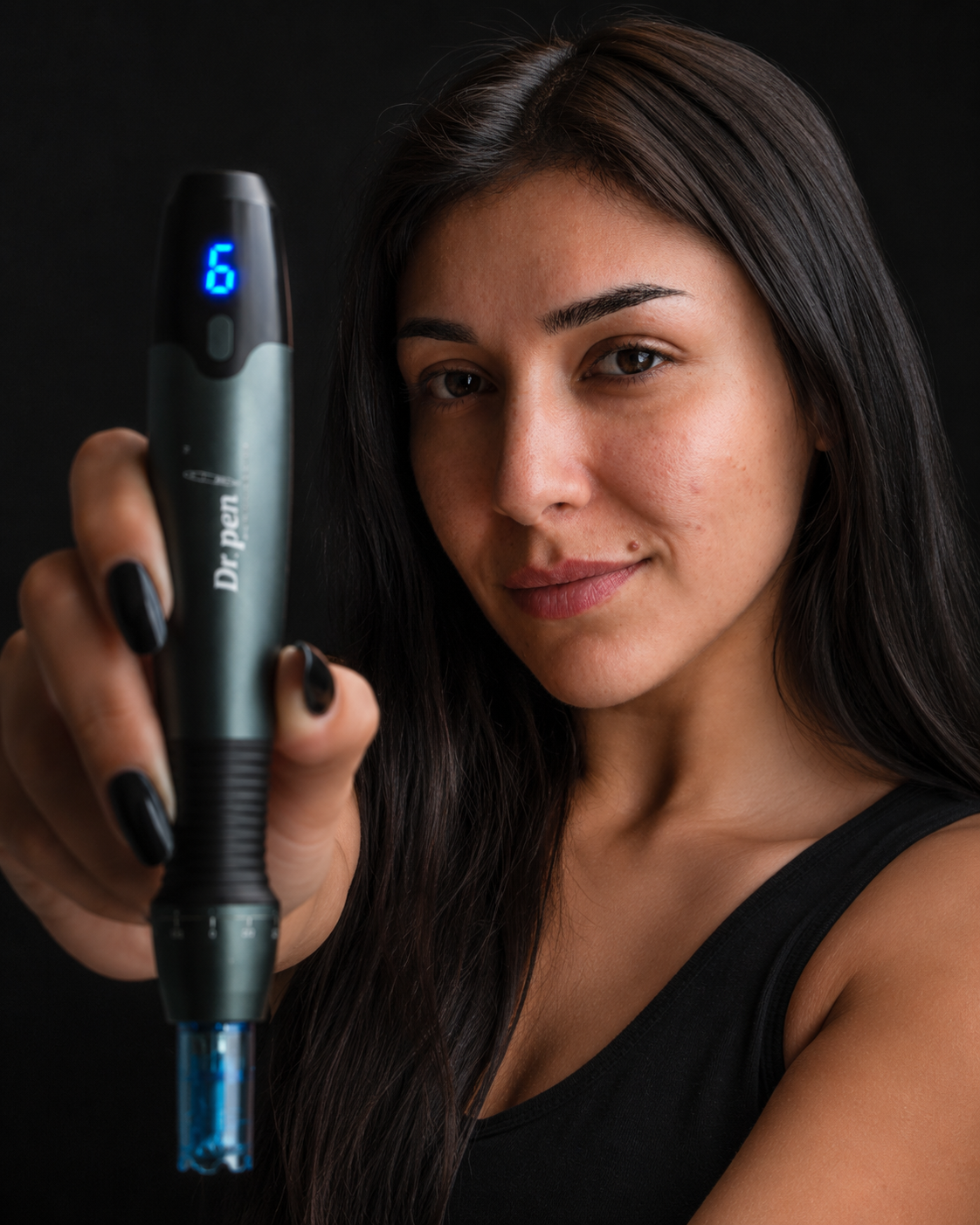
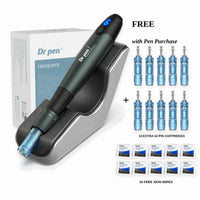
For example, the Dr. Pen A20 Advanced Microneedling Pen for Professionals is designed for clinic and professional skincare settings. Its listed features include AVOS vertical oscillation technology, six adjustable speed levels, precise needle-depth control, an LED digital display and cordless operation.
These are relevant handling features when comparing a microneedle medical device, but they are not stand-alone evidence of superior treatment outcomes. A larger adjustment range is not automatically better, and a digital display does not determine the appropriate setting for a patient.
Dr. Pen Store identifies the A20 as FDA-cleared. Before purchasing, confirm the matching regulatory documentation, current instructions and exact cartridge requirements. Do not assume that an A20 claim also applies to another Dr. Pen model or accessory.
Audit the cartridge system before choosing the pen
A pen's purchase price is only part of the decision. You also need a dependable supply of the correct sterile, single-use cartridges.
Ask for the cartridge's full product identification and confirmation that it matches the specific model. Similar appearance, the same needle count or a familiar brand name does not establish compatibility. Check the manufacturer's instructions rather than relying solely on a marketplace title.
When evaluating a microneedle medical device, examine both the cartridge connection and the documented contamination-control requirements. Ask whether the instructions describe fluid-ingress protection, any required protective barriers and cleaning of the reusable handpiece. Do not infer those protections from a cartridge photograph.
A disposable cartridge does not make the whole device disposable or automatically protect every reusable component. Follow the device-specific instructions for handling and cleaning, and never reuse a single-use cartridge.
Before ordering consumables, confirm expiration dates, intact sterile packaging and the seller's policy for damaged deliveries. Cartridge availability matters over the life of the pen: a discounted device is poor value if its correct consumables are difficult to identify or consistently unavailable.
Separate authenticity from attractive presentation
A genuine-looking box is not enough. Ask how the manufacturer verifies the product and which identifiers the verification process requires. Follow the manufacturer's published route rather than treating an unfamiliar QR-code destination as proof.
Keep the order confirmation and photograph model identifiers, packaging and seals when the shipment arrives. If the delivered item differs from the listing or the verification result is unclear, stop and contact support before use.
For a clinic, custom woven labels for reusable textile accessories can help identify linen bags or uniforms. They are not medical-device labels and provide no evidence of authenticity or sterility. Keep that distinction when assessing a professionally branded kit: presentation and traceability serve different purposes.
Your microneedle medical device should arrive with identifiers and documentation that agree with the order. Cartridges should remain in their original packaging until needed, with their lot and expiration information available. Do not accept repackaging as an equivalent substitute for the original sterile barrier.

Evaluate treatment evidence and personal risk separately
There are two questions to answer: whether a device has evidence for a particular use and whether that use is appropriate for the person receiving treatment. A positive answer to the first does not settle the second.
For outcome claims, look for the exact device or a clearly relevant technology, the condition treated and how results were assessed. Lighting changes, makeup and different camera angles can make customer photographs misleading. Dr. Pen Store's guide to reading microneedling reviews before buying explains how to separate useful ownership feedback from weak treatment evidence.
The risks of a microneedle medical device can include temporary redness, discomfort, swelling and bleeding, as well as infection, pigment changes or scarring. Frequency and severity depend on the procedure and individual circumstances.
Active skin infection, a history of abnormal scarring, impaired healing or certain medications warrant professional assessment. Do not stop prescribed medication to make yourself eligible. The store's overview of who may be suitable for microneedling can help you prepare questions, but it does not replace an individual evaluation.
Calculate ownership costs beyond the starter kit
Compare the same scope of purchase across sellers. One package may contain more consumables, while another may have clearer warranty terms or different delivery charges. A lower checkout total is not necessarily a lower ownership cost.
Use this framework:
Ownership cost = device price + replacement cartridges + required supplies + delivery and applicable taxes + maintenance or replacement costs.
For professional use, also account for training, infection-control requirements and disposal arrangements appropriate to your setting. Keep optional cosmetic accessories separate from supplies required by the instructions.
When budgeting for a microneedle medical device, estimate cartridge spending from the intended workload and current compatible-cartridge prices. Do not assume cartridges can be reused to reduce costs. Ask about stock availability as well as price, because a pen without the correct consumables cannot serve its intended purpose.
If you are weighing equipment ownership against appointments, compare what each option includes. A clinic fee may cover assessment, professional treatment and follow-up rather than merely access to a pen. The clinic treatment versus device ownership cost guide explores that distinction without treating the two options as equivalent.
Get the seller's answers in writing
Before checkout, send a focused request rather than asking only whether the device is “medical grade.” That phrase alone does not establish regulatory status, suitability or quality.
Ask these questions:
- What is the exact manufacturer and model, and where are the current instructions?
- Which regulatory record supports the claims made for this model?
- Who is the intended operator, and what training does the labeling require?
- Which cartridges are compatible, and how are sterility and expiration identified?
- How can authenticity be verified through the manufacturer?
- What happens if the device arrives damaged, fails verification or develops a fault?
A seller's response should help you evaluate the microneedle medical device without requiring you to infer missing details. Separate product support from medical advice: a retailer can clarify an order or compatibility question, while a qualified healthcare professional should assess treatment suitability.
If important answers remain inconsistent, postpone the purchase rather than substituting reviews or promotional language for documentation.
Frequently asked questions
Do at-home microneedling devices really work? Superficial cosmetic tools and medical microneedling devices are different categories. Results from professionally performed treatments cannot be assumed for home use. The FDA has not authorized microneedling medical devices for over-the-counter sale, so check the device's intended user and discuss treatment options with a qualified healthcare professional.
What is the best medical-grade microneedling device? There is no universal best choice. “Medical grade” alone is not a sufficient purchasing standard. Evaluate the exact model's regulatory documentation, intended use, cartridge system and professional operating requirements before comparing convenience features.
How much should a microneedle medical device cost? There is no single meaningful price without specifying the model, included consumables and seller terms. Compare current authorized product listings and calculate ongoing cartridge and required-supply costs. A price comparison is incomplete if the packages contain different items.
Is there a downside to microneedling? Yes. In addition to temporary skin reactions, complications can include infection, pigment changes and scarring. Buying an authentic device does not remove these risks or replace appropriate assessment, training and infection control.
Make the purchase conditional on verification
Choose only after the model, intended user, regulatory documentation and compatible cartridges are clear. If you are considering the A20, ask Dr. Pen Store to confirm the current instructions, cartridge options and authenticity-verification process before ordering. Resolve product questions with support and clinical questions with a qualified healthcare professional.