


If you want to micro needle at home while using prescription skincare, the safest next step is a medication review, not a treatment session. Tretinoin, prescription acne combinations, pigmentation treatments and medicines that affect healing can change whether microneedling is appropriate. A prescription is not automatically a permanent exclusion, but neither is a short break from it proof that treatment is safe.
Do not stop prescribed medication or use it with a microneedling device without your prescriber’s instructions. The condition being treated matters as much as the product: active acne, eczema or an irritated skin barrier can be reasons to postpone treatment even after a medication has been paused.
There is also a distinction between superficial cosmetic tools and devices that penetrate living skin. The FDA’s microneedling safety guidance states that it has not authorized microneedling medical devices for over-the-counter sale. A device being available online does not establish that it is appropriate for unsupervised use.
Can you micro needle at home while using prescription skincare?
There is no blanket yes. The answer depends on the medication, its purpose, your current skin condition and the proposed device. For needle-based treatment that penetrates living skin, a qualified medical professional can assess risks that a home routine cannot reliably address.
Microneedling creates controlled injuries. Prescription skincare may already be causing dryness, peeling or inflammation, even when it is working as intended. Combining those effects can increase irritation and complicate recovery. Applying products through freshly created channels also changes their exposure compared with ordinary application to intact skin.
Professional microneedling can improve selected concerns, including certain acne scars and wrinkles. That evidence should not be transferred automatically to consumer tools, different treatment depths or medication combinations. Temporary post-treatment swelling is also not evidence of lasting collagen improvement.
If you plan to micro needle at home, separate three questions: whether microneedling suits your condition, whether your medication needs adjustment and whether the specific device is appropriate outside a clinic. A favorable answer to one does not settle the others.
Which prescriptions need a closer review?
Bring the actual product names and strengths to your appointment. “Acne cream” is not enough information because one tube may combine several active ingredients. Include nonprescription acids, retinol and scrubs in the same review.
| Prescription category | Examples | Main issue to discuss |
|---|---|---|
| Topical retinoids | Tretinoin, adapalene, tazarotene | Dryness, peeling and irritation that may make treatment unsuitable |
| Acne combinations | Adapalene/benzoyl peroxide, clindamycin/benzoyl peroxide | Multiple active ingredients plus possible active inflammatory acne |
| Pigmentation treatments | Hydroquinone, compounded combination creams | Irritation, the cause of pigmentation and risk of worsening discoloration |
| Other acne or rosacea treatments | Azelaic acid, topical dapsone, metronidazole | Current inflammation, sensitivity and the underlying diagnosis |
| Anti-inflammatory prescriptions | Topical corticosteroids, tacrolimus, pimecrolimus | Active skin disease and, with some steroid use, skin thinning |
| Oral medicines | Isotretinoin, anticoagulants, immunosuppressants | Procedure-specific concerns involving healing, bleeding or infection |
This is a discussion guide, not a list of medications everyone must discontinue. Some prescriptions control the very inflammation that would make a procedure less suitable if treatment were interrupted.
Before you micro needle at home, ask your prescriber to review the complete formula rather than checking only its best-known ingredient. A compounded dark-spot cream, for example, may contain both a retinoid and a corticosteroid.
Retinoids and acne treatments: tolerance is not clearance
Someone who has used tretinoin comfortably for years may have a different risk profile from someone who started it recently. Neither person should assume their usual tolerance predicts how freshly needled skin will respond.
There is no universal pause-and-restart schedule that works for every retinoid, strength and procedure. Your clinician may recommend a temporary adjustment, postponement or a different treatment altogether. Do not substitute a general internet timetable for that decision.
Active inflammatory acne needs particular caution. Needling over pustules, open lesions or infected skin can worsen injury and spread contamination. Acne scarring and active acne are different treatment problems, even when both are present on the same face.
If you intend to micro needle at home, postponing because your skin is peeling or stinging is a sensible boundary, but comfortable skin alone is not medical clearance. The prescription’s indication and the condition beneath the surface still need assessment.
Oral medicines: do not make your own medication changes
Oral isotretinoin requires a procedure-specific conversation with the prescribing dermatologist. The procedure, current skin condition and timing of treatment all matter. Do not decide that skipping a few doses removes the concern or apply one waiting period to every cosmetic procedure.
Anticoagulants and antiplatelet medicines can increase bleeding concerns. Immunosuppressive treatment and systemic corticosteroids may affect infection risk or healing. Never stop these medicines to make a cosmetic treatment possible without the prescribing clinician’s direction.
An oral acne treatment such as spironolactone is not equivalent to a peeling topical retinoid. Nevertheless, the clinician still needs to know why you take it and whether your acne is controlled. Antibiotics prescribed for acne do not make a procedure sterile or eliminate infection risk.
Anyone planning to micro needle at home should disclose oral medicines, supplements and relevant medical conditions, not just products applied to the treatment area. A medication review is incomplete if it focuses only on the bathroom shelf.
What to ask your prescriber before scheduling treatment
Ask for a written plan that distinguishes medication management from procedure approval. “Avoid irritating products” is too vague when your routine includes several prescriptions.
A useful consultation should answer these questions:
- Is my diagnosis suitable for microneedling, and should treatment be performed in a medical setting?
- Which exact products, if any, should be paused, and what determines when they can restart?
- Does my history of cold sores, abnormal scarring or post-inflammatory hyperpigmentation change the plan?
- What may be applied during early recovery, and whom should I contact if symptoms worsen?
Mention previous prolonged redness, dark marks after minor irritation and reactions to adhesives, antiseptics or skincare. If you have deeper skin tones or a history of post-inflammatory hyperpigmentation, inflammation can leave persistent discoloration. Skin tone alone does not rule out professional treatment, but treatment selection and inflammation control deserve careful attention.
The store’s overview of who may be suitable for microneedling offers additional background on conditions to disclose. It cannot replace an individual assessment.
If you still hope to micro needle at home, tell the clinician that explicitly. Advice for an in-office procedure should not be interpreted as approval to repeat it yourself.
Device selection does not solve medication compatibility
Check intended use, cartridges and sterility
A genuine device and the correct cartridge are important, but neither makes an unsuitable skin condition safe to treat. Check the exact model’s instructions, intended user and applicable regulatory labeling rather than relying on a retailer’s general description.
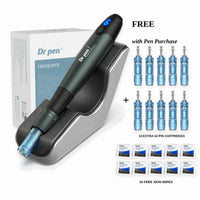
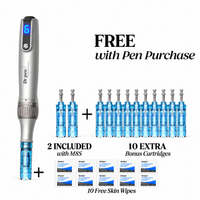
For any clinician-approved use, cartridge compatibility must be confirmed for that specific model. Packaging should be intact, with any stated expiration date and lot information checked before use. Do not assume a loose or unsealed cartridge is sterile because it looks clean.
A cartridge labeled sterile and single-use should not be washed, disinfected and reused. Cleaning is not sterilization. Never share cartridges, follow the manufacturer’s instructions for cleaning the reusable device and arrange safe sharps disposal according to local requirements.
Do not choose a greater needle depth to compensate for limited results. Treatment intensity is a clinical decision, not a way around the limitations of home use.
If you micro needle at home, authenticity checks cannot replace screening for infection, impaired healing or prescription-related irritation. These are separate parts of the safety assessment.
Serum-infusing pens require an additional product review
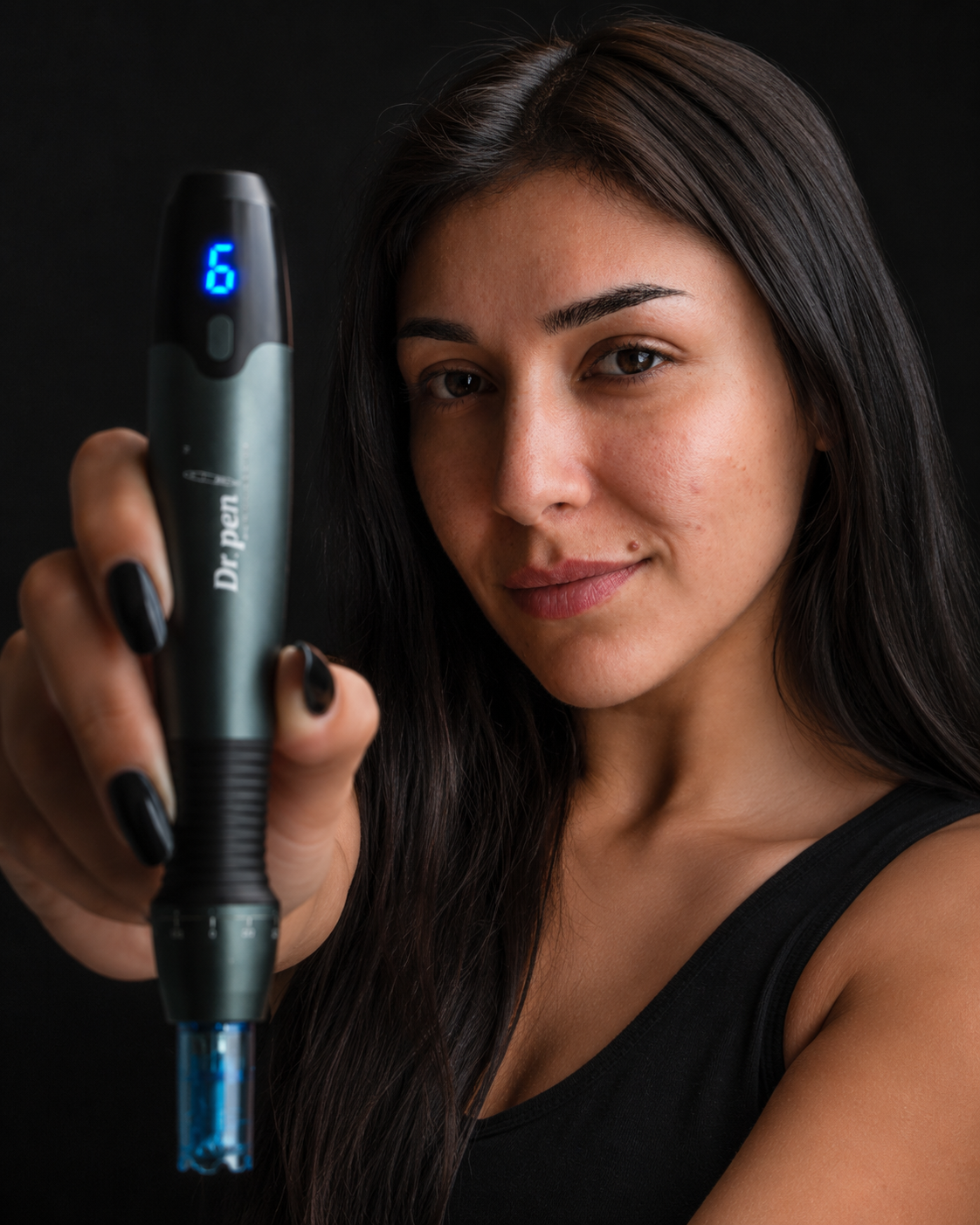
The Dr. Pen HydraPen H3 combines automated microneedling with simultaneous serum infusion. That feature makes the choice of liquid particularly relevant for anyone using prescription skincare.
Do not put prescription medication into a device reservoir or use needling to increase its penetration. Tretinoin, hydroquinone, acne medicines and compounded creams are not interchangeable with products intended for a particular device. Ordinary topical directions do not establish safety for delivery through newly created channels.
The FDA states that it has not cleared microneedling devices for use with another product. Device clearance therefore should not be interpreted as approval for a serum, drug or cosmetic combination. Even a product described as hydrating or soothing needs an appropriate safety review; those descriptions do not establish sterility.
Before you micro needle at home with an infusion-style device, resolve both questions separately: whether the device is appropriate for you and whether the proposed accompanying product is appropriate for that use. Better absorption is not automatically a benefit when the exposure has not been evaluated.

Plan recovery around healing, not a fixed calendar
Aftercare should be agreed before treatment. You should know what to use, what to avoid and who will assess a reaction. Adding several new products during recovery can make it harder to identify the cause of irritation.
The Medik8 Post Treatment Kit is marketed for recovery of sensitive or compromised skin after treatment. It is an option to review with your clinician, not automatic clearance to apply every component immediately after microneedling. Check current ingredient labels, known allergies and the recommended timing for each product.
Your clinician may recommend a simple cleansing and moisturizing routine, with sun protection appropriate to the skin’s condition. Avoid adding exfoliants, fragranced products or other potentially irritating actives outside the agreed plan. Do not use a topical steroid or antibiotic as a self-prescribed treatment for an unexpected reaction.
Restarting a prescription depends on more than the number of days since treatment. Persistent redness, peeling, tenderness, crusting or stinging with bland products means the skin needs reassessment, not a stronger routine.
If you micro needle at home, do not use the next session as the deadline for restarting medication. Prescription management and any future procedure should both follow recovery and clinical advice, rather than a recurring device schedule.
Know when to stop and seek medical care
Some redness or sensitivity can occur after microneedling, but symptoms should not be assumed harmless simply because they followed a cosmetic procedure. A worsening pattern deserves attention.
Seek prompt medical assessment for increasing pain, spreading redness or warmth, pus, fever or swelling that is worsening rather than settling. Grouped painful blisters may indicate a cold-sore outbreak and also need prompt advice. Severe facial swelling, eye involvement or difficulty breathing requires urgent care.
Persistent darkening, unusual light patches, raised marks or redness that does not resolve should be assessed by a dermatologist. These changes may reflect pigment disturbance, scarring or another adverse reaction. Avoid trying to correct them immediately with extra hydroquinone, acids or retinoids.
If you micro needle at home and develop a reaction, stop further sessions and do not add more active products while seeking advice. Keep the device details, cartridge packaging and a list of everything applied so the clinician can evaluate the exposure.
Photographs taken in consistent lighting can help document progression, but they are not a substitute for an examination when infection or a significant reaction is possible.
When professional treatment is the better choice
Choose a medical consultation rather than a home procedure if you have active skin disease, recurrent cold sores, abnormal scarring, impaired healing or medication-related concerns. A history of difficult-to-treat pigmentation is another reason to seek individualized planning.
Professional care also makes more sense when the goal is treatment of established acne scars rather than a temporary cosmetic change. A clinician can determine whether microneedling is appropriate at all or whether a different approach better matches the scar type and your skin.
The comparison of professional SkinPen treatment and at-home pens explains differences in setting and supervision. Device specifications alone do not capture those differences.
Being told to postpone does not mean your prescription has failed or that microneedling will never be an option. It may mean controlling inflammation first, simplifying an irritating routine or selecting a procedure with better clinical oversight.
Frequently asked questions
Can I micro needle at home if I stop tretinoin for a few days? A short pause does not establish safety. Your prescriber needs to consider the strength, current irritation, treatment area and proposed procedure. Do not choose a pause or restart interval yourself.
Can prescription skincare be applied immediately after microneedling? Do not apply it to freshly treated skin unless the treating clinician has specifically directed that use. Standard instructions for intact skin do not establish safety after needling.
Does azelaic acid need the same break as tretinoin? Not necessarily. They are different medicines, and tolerance varies. The diagnosis, formulation and procedure determine the plan rather than a universal rule for all active ingredients.
Does a nano cartridge remove the prescription concern? No. Cartridge labels do not replace a review of the actual tip design, intended use and current skin condition. A superficial cosmetic treatment also should not be expected to reproduce medical microneedling results.
Confirm the plan before choosing products
Start with your prescriber, then check the device and cartridge requirements for any approved plan. Dr. Pen Store can help with product identification and compatibility questions, while your clinician determines medical suitability and prescription timing. Keep those roles separate, and do not buy a device or recovery kit as a substitute for that assessment.