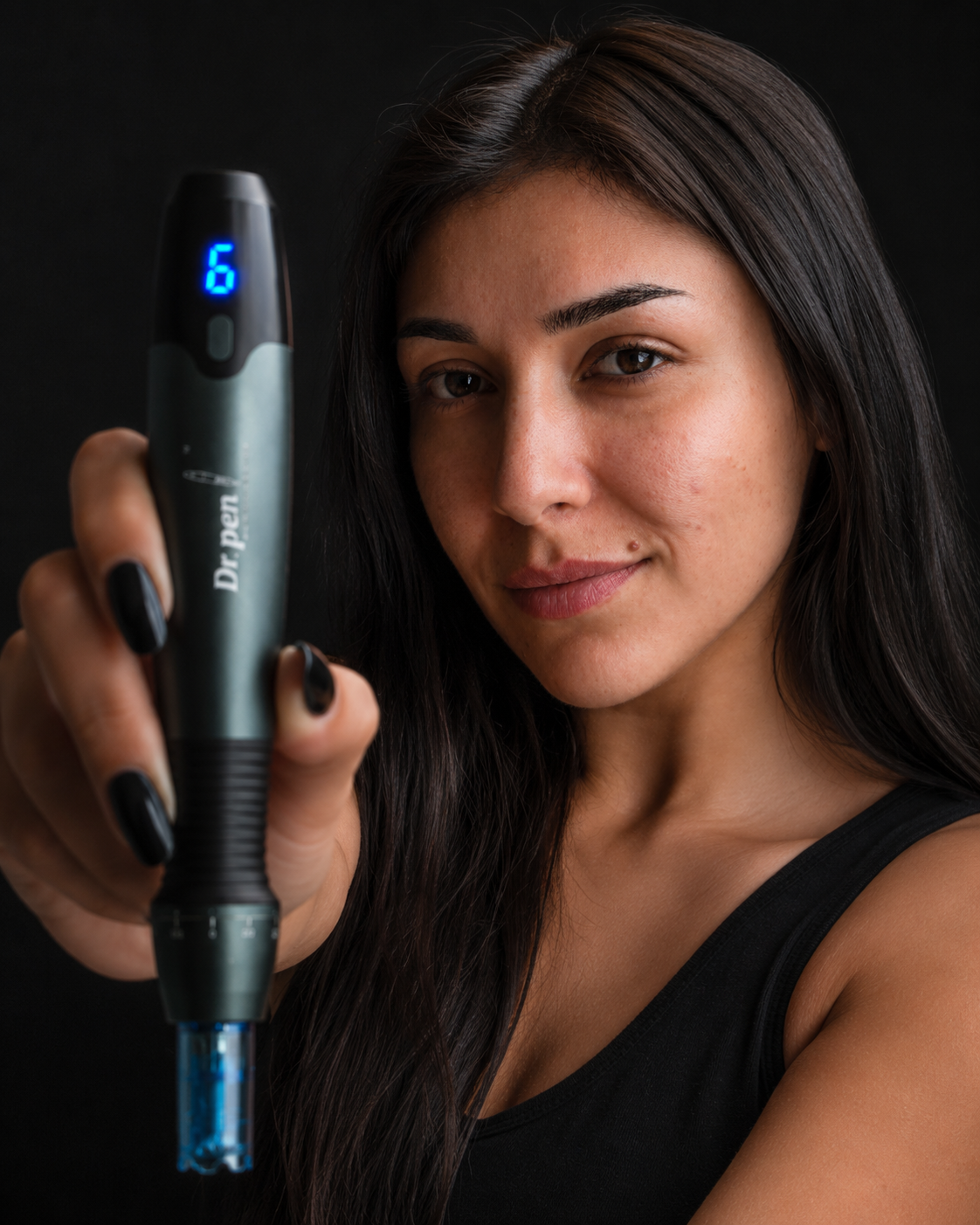
Choosing a professional microneedling pen is less about buying the most intense device and more about matching the pen, cartridges, controls and support to the way you will actually use it. A good choice should help you treat your main concern consistently, replace cartridges safely and verify that you are buying a genuine device instead of a lookalike.
That matters because microneedling sits in the middle ground between beauty routine and skin procedure. The pen creates controlled microchannels in the skin, so quality, hygiene and instructions are not small details. If you are comparing Dr. Pen models for home use, salon support or clinic-adjacent routines, use the following criteria before you choose.
What Makes a Professional Microneedling Pen Worth Buying?
A higher quality pen should give you predictable movement, a comfortable grip and clear adjustment options. It should not feel flimsy, overcomplicated or dependent on hard-to-find accessories. You are choosing a system, not only the handpiece, so the cartridges, power setup, after-sales help and authenticity checks matter as much as the body of the device.
A professional microneedling pen should also make safe use easier. Look for clear instructions, easy cartridge changes and product pages that tell you which replacement cartridges fit the model. If a listing hides basic compatibility details or makes dramatic skin claims without explaining safe use, that is a reason to pause.
For a model-by-model overview within the Dr. Pen range, Dr. Pen Store has a separate guide on choosing the right Dr. Pen microneedling pen. This article focuses on the broader buying criteria that help you decide what professional means for your own routine.
Start With Your Main Treatment Goal
Your ideal device depends on whether you care most about texture, fine lines, post-acne marks, enlarged pores, stretch marks or scalp routines. These goals do not all require the same cartridge style, frequency or level of experience.
The best professional microneedling pen for acne scarring or uneven texture is usually the one that gives you controlled depth adjustment and compatible micro-needle cartridges. For glow-focused routines, nano-style tips may be more relevant because they are designed for superficial cosmetic infusion rather than deeper skin remodeling. For scalp use, ergonomics and cartridge availability become especially important because treating larger areas can take longer.
If hair density is part of your routine, think beyond the device itself. Scalp care often includes topical products used on non-treatment days or as directed by a professional. For example, mesoestetic Tricology Treatment Hair Growth Intensive Lotion is available from Dr. Pen Store for customers building a broader hair growth routine. Follow the product label and avoid applying active formulas over freshly needled skin unless a qualified professional has told you it is appropriate.
Compare Depth Control, Speed Settings and Stability
Depth control is one of the biggest differences between casual tools and serious microneedling pens. Adjustable depth allows the user or practitioner to adapt the session to the area being treated, because the forehead, cheeks, jawline, body and scalp do not have the same skin thickness or tolerance.
A professional microneedling pen is only useful if those adjustments feel controlled. A wide range of settings sounds attractive, but the real question is whether the device lets you make small, repeatable changes without guesswork. Speed settings matter for the same reason. More settings can help users adapt their technique, but stability and consistency are more important than a large number printed on a product page.
Use this table as a practical comparison framework:
| Feature to compare | Why it matters | What to look for |
|---|---|---|
| Adjustable needle depth | Helps adapt treatment to different areas and goals | Clear depth dial or setting information |
| Speed control | Supports comfort and technique | Multiple settings with easy adjustment |
| Cartridge fit | Keeps replacements simple and safe | Clearly listed compatible cartridges |
| Power setup | Affects session flexibility | Reliable charging or corded operation details |
| Support and documentation | Reduces misuse and buying mistakes | Instructions, FAQs and responsive support |
Do not choose a device only because it offers aggressive settings. Deeper microneedling increases risk and is often better handled by licensed professionals. For home users, consistency, hygiene and conservative technique usually matter more than maximum depth.
Check Cartridge Compatibility Before You Buy
A microneedling pen is only as practical as the cartridges you can use with it. Cartridges are single-use items, so every session requires a fresh, compatible replacement. Buying a pen without checking cartridge supply can lead to frustration later, especially if you choose a model that uses a cartridge type you cannot easily reorder.
Before choosing, confirm the needle counts or tip styles available for that model. Micro-needle cartridges are generally used when the goal is controlled needling, while nano tips are used for very superficial cosmetic routines. If you are unsure which category fits your plan, this guide to micro-needles vs nano-needles explains the difference in more detail.
A strong buying decision includes replacement planning. Check whether the store carries cartridges for the exact model you are buying, whether the product page identifies compatibility and whether support can help if you are uncertain. This is one reason buying from a specialist retailer can be easier than buying from a marketplace listing with limited after-sales help.

Prioritize Genuine Devices and Real Support
Authenticity should be a non-negotiable part of your decision. Counterfeit or unverifiable devices can create problems with cartridge fit, motor consistency and support. They may also be missing reliable instructions, which increases the chance of misuse.
When a professional microneedling pen comes from a reputable specialist store, you should be able to confirm what you are buying, find compatible cartridges and get help if something does not make sense. Dr. Pen Store focuses on genuine Dr. Pen devices, replacement cartridges and compatible skincare products, which is especially useful for shoppers comparing models like the A20, M8S, A11, A8S, A10, M9, Hydra Pen H3 and Hydra Pen H6.
Regulatory wording is another area where shoppers should be careful. In the United States, do not assume that every microneedling device is FDA-cleared just because a listing uses medical-sounding language. The FDA explains microneedling device benefits, risks and safety considerations on its own microneedling devices resource. Dr. Pen Store also has a practical guide on how to evaluate FDA-cleared microneedling devices if this is part of your buying criteria.
Decide Whether FDA-Cleared Positioning Matters to You
Some buyers want the most advanced at-home compatible option they can find, while others specifically care about U.S. regulatory status and professional-use positioning. If FDA-cleared status is a priority, review the details of the Dr. Pen A20 microneedling pen, which Dr. Pen Store presents as an advanced option with FDA 510(k) cleared positioning.
This does not mean every buyer needs the same model. A salon, experienced user or shopper who wants a more professionally positioned device may evaluate the A20 differently than a beginner who wants a simpler routine. The right professional microneedling pen is the one that aligns with your comfort level, goals and willingness to follow a careful process.
Also remember that FDA language does not replace good technique. Even with a well-sourced device, you still need clean skin, a sterile cartridge, appropriate aftercare and enough spacing between sessions. If you have a history of keloid scarring, active infection, inflammatory acne, uncontrolled skin conditions or you use medications that affect healing, ask a licensed clinician before microneedling.
Consider Total Cost, Not Only the Pen Price
The device is a one-time purchase, but cartridges, gentle skincare and maintenance habits are ongoing. If two pens seem similar, the better value is often the model with easier cartridge access and clearer support, not the one with the lowest upfront cost.
The total cost of a professional microneedling pen should include replacement cartridges for each planned session, a gentle cleanser, a soothing serum if appropriate and sunscreen for daytime protection after the skin has recovered enough for normal use. Avoid harsh exfoliating acids, retinoids and strong vitamin C formulas around treatment unless your clinician or product instructions say otherwise.
Think about how often you will realistically use the device. A pen that fits your routine twice a month in a careful, hygienic way is more valuable than a complex model that sits unused because setup feels intimidating. For professional environments, speed of cartridge changes, consistent supply and support can be just as important as technical specifications.
Red Flags When Comparing Microneedling Pens
Some warning signs are obvious, like missing product information or suspiciously low prices. Others are more subtle. Be careful with listings that show no cartridge compatibility, no visible support channel or broad claims about treating every skin concern without explaining limitations.
Avoid choosing a device based on before-and-after photos alone. Photos can be affected by lighting, skincare, makeup, timing and editing. Reviews are useful, but they should mention the model, user experience level, treatment goal and how long the reviewer used the device. A review from someone treating scalp concerns may not help you decide on a facial texture routine.
Even a professional microneedling pen cannot compensate for poor hygiene or unrealistic expectations. Microneedling works gradually, and visible changes often depend on repeated sessions, proper spacing, sunscreen, supportive skincare and individual healing. If you want a device that helps you build a routine, choose the pen and cartridge ecosystem that you can use correctly over time.
A Simple Buyer Checklist
Before you add a device to your cart, run through this checklist. It will help you avoid the most common buying mistakes.
- Your main goal is clear, such as texture, fine lines, pores, stretch marks or scalp support.
- The model has compatible replacement cartridges available from the same retailer.
- The device has adjustable settings that match your experience level.
- The seller provides authenticity confidence, product guidance and after-sales support.
- Any FDA-cleared or professional-use claims are explained clearly.
- You understand the aftercare and know when not to microneedle.
If you cannot answer one of these points, slow down and research before buying. A careful choice at the beginning makes every session easier afterward.
Frequently Asked Questions
What is the difference between a regular and professional microneedling pen? A professional microneedling pen usually offers stronger build quality, adjustable depth, compatible replacement cartridges and clearer support than basic cosmetic rollers or low-information devices. The term professional should describe control, reliability and support, not just intensity.
Can beginners use a microneedling pen at home? Some beginners use microneedling pens at home, but they should start conservatively, follow instructions and avoid treating skin that is irritated, infected or actively inflamed. If you are unsure whether microneedling is suitable for you, ask a dermatologist or licensed skincare professional first.
How important are replacement cartridges? They are essential. Cartridges should be compatible with your exact model and used only once. Reusing cartridges can increase the risk of irritation, poor performance and contamination.
Is an FDA-cleared microneedling device always necessary? Not every shopper has the same requirement, but FDA-cleared positioning can be important if you want a device with U.S. regulatory clearance for specified uses. Always check the exact claim, the model and the intended use rather than relying on vague marketplace wording.
Can I use hair growth products with scalp microneedling? Hair products may be part of a broader scalp routine, but timing matters. Use products according to their labels and get professional guidance before applying active formulas to freshly needled skin.
Choose a Device You Can Use Safely and Consistently
The best choice is not always the most expensive or the most aggressive model. It is the device that matches your goal, has reliable cartridge access, comes from a trustworthy source and gives you enough control to follow a hygienic routine.
If you are ready to compare genuine Dr. Pen devices, cartridges and supporting skincare, start with Dr. Pen Store and choose based on your treatment goal, experience level and preferred model family. A careful purchase now makes your microneedling routine easier to maintain later.